
bathroom mirror 800 x 600
The Importance of Ring Gauges in Precision Measurement In the realm of manufacturing and quality assurance, precision is paramount. One of the critical tools employed in ensuring that the dimensions of components meet specific standards is the ring gauge. Ring gauges are cylindrical measuring instruments used to check the external diameter of products, such as shafts, pipes, and other round components. Their role in quality control processes cannot be overstated, as they provide a reliable means to ensure that products conform to specified tolerances. Functionality of Ring Gauges Ring gauges come in two primary forms go gauges and no-go gauges. The go gauge is designed to verify that the part being measured is within the acceptable range of dimensions. If the component fits into the go gauge, it meets the required specifications for size. Conversely, the no-go gauge is used to ensure that the part does not exceed the maximum allowable size. If the component enters the no-go gauge, it indicates that the piece is out of specification, signaling a need for adjustment or rejection. The design of ring gauges is crucial to their effectiveness. They are typically made from high-quality materials such as tool steel or carbide, ensuring they can withstand wear and maintain precision over time. The manufacturing process of these gauges involves meticulous engineering to achieve the desired tolerances. Even minute discrepancies in their dimensions can lead to significant errors in measurement, which is why consistent quality must be maintained during production. Advantages of Using Ring Gauges One of the primary advantages of ring gauges is their simplicity and ease of use. Operators can quickly assess whether a component meets the required specifications without the need for complex measurement tools . This efficiency is particularly valuable in high-volume manufacturing environments, where time is money, and fast, accurate measurements are essential for maintaining production schedules. ring gauges are used to check Additionally, ring gauges help in reducing the likelihood of human error. Unlike calipers or micrometers, which rely on the operator’s skill in reading measurements, ring gauges provide a clear pass/fail indicator. This feature minimizes subjectivity in measurements, allowing for consistent quality assurance across production lines. Applications of Ring Gauges Ring gauges are widely used across various industries, including automotive, aerospace, and precision engineering. In automotive manufacturing, for instance, ensuring that engine components fit together correctly is critical for performance and safety. By employing ring gauges, manufacturers can verify that parts such as bearings and crankshafts adhere to strict dimensional standards. In the aerospace sector, where safety is paramount and tolerances are often measured in microns, ring gauges play a vital role in ensuring that components operate reliably under extreme conditions. Any deviation in measurement can lead to catastrophic failures, making the precision offered by ring gauges indispensable. Conclusion In conclusion, ring gauges are essential tools in the toolkit of quality assurance professionals. Their straightforward design, efficiency, and reliability make them invaluable for verifying the dimensions of cylindrical components. By committing to the use of ring gauges, manufacturers can enhance their quality control processes, minimize defects, and maintain the high standards required in today’s competitive markets. As industries continue to evolve and the demand for precision increases, the role of ring gauges in achieving operational excellence will remain significant.
about
bathroom mirror 800 x 600
The Pricing Landscape of 150% to 300 Micrometer Products In recent years, the demand for materials and products ranging from 150 to 300 micrometers has witnessed a significant surge across various industries, including pharmaceuticals, manufacturing, and electronics. This growth has inevitably affected the pricing dynamics of these products. Understanding the factors that influence the price range of 150 to 300 micrometer products is crucial for businesses looking to optimize their purchasing strategies. The Pricing Landscape of 150% to 300 Micrometer Products Another critical factor influencing pricing is the production method. Advanced manufacturing techniques, such as spray drying, cryomilling, and electrospinning, are often employed to achieve specific micrometer sizes. These methods require substantial investment in equipment and technology, which is subsequently reflected in the final product price. Additionally, economies of scale can play a pivotal role. Manufacturers producing large volumes of 150 to 300 micrometer products can achieve lower per-unit costs, while smaller producers may struggle to compete on price. 150 to 300 micrometer price Supply chain dynamics also impact the pricing of these micrometer-sized products. Fluctuations in raw material costs, changes in transportation expenses, and shifts in global trade policies can all contribute to price variability. For instance, the COVID-19 pandemic disrupted supply chains across many sectors, leading to increased costs for sourcing materials and delivering products. As a result, buyers of 150 to 300 micrometer items found themselves facing higher prices during this period. Moreover, the competitive landscape in this market can create a pricing pressure. As more companies enter the market, they may adopt different pricing strategies, from undercutting competitors to offering bundled solutions. Consequently, businesses need to remain vigilant and informed about the latest market trends and competitors' pricing to make intelligent purchasing decisions. Additionally, customer requirements are evolving, with a growing emphasis on sustainability and eco-friendly practices. Products manufactured from renewable resources or those that demonstrate a lower environmental impact may command premium prices. Companies are increasingly willing to pay more for products that align with their sustainability objectives and corporate social responsibility commitments. In conclusion, the pricing of products within the 150 to 300 micrometer range is influenced by various factors, including material properties, production methods, supply chain dynamics, competition, and evolving customer values. Businesses seeking to navigate this intricate pricing landscape must remain agile and informed, leveraging market intelligence to make strategic purchasing decisions. As demand continues to rise, understanding these factors will be essential for companies aiming to secure the best value for their investments in micrometer-sized products.
-

High quality industrial productsagement

High quality industrial products
View Details -

Meet the diverse needs of customers

Meet the diverse needs of customers
View Details -

Strict quality control

Strict quality control
View Details -

Top raw materials

Top raw materials
View Details -

Trusted supplier

Trusted supplier
View Details
Our application


news and information
Wood frame joinery solutions for seamless construction and structural support connections
Wood frame connectors are essential components in any wooden structure, providing stability and supp
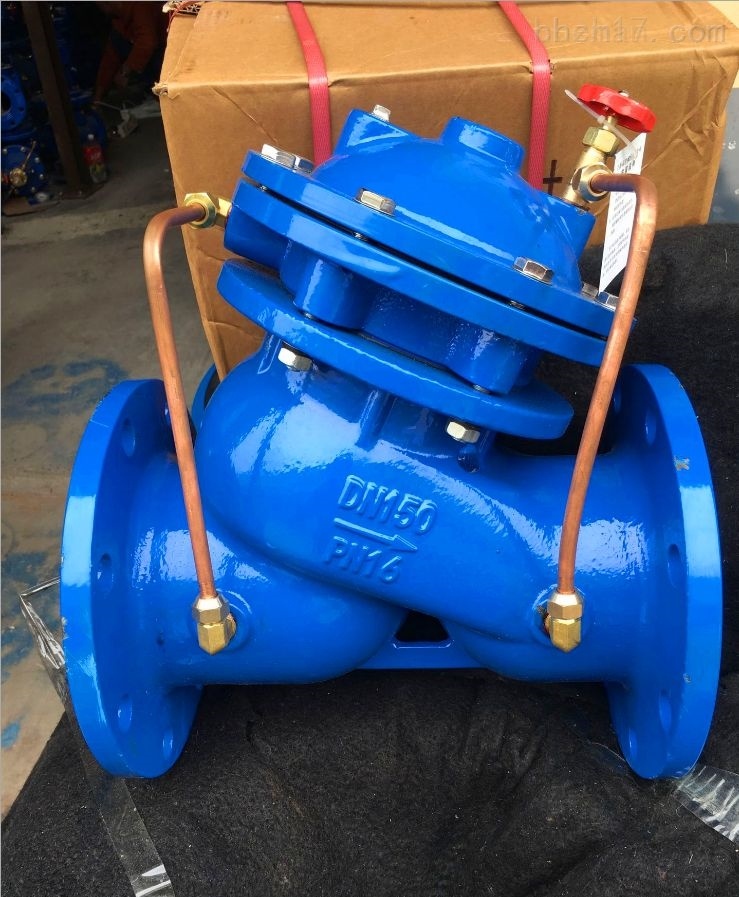
Various Types of Water Valves and Their Applications Explained
Understanding the Types of Water Valves A Comprehensive Guide Water valves are essential components
Vee blokken te koop voor duurzame landbouwoplossingen en efficiëntie
VEE Blokken Te Koop De Toekomst van Duurzaam Wonen In de wereld van de bouw en architectuur zien we
 English